

The Benefits of Liquid Cooling Systems in High-Density Data Centers

Liquid Cooling Systems are redefining thermal management in modern high-density data centers. As computing loads increase due to AI, cloud computing, and big data analytics, traditional cooling approaches struggle to maintain optimal temperatures. Efficient heat removal is no longer optional—it is essential for performance and reliability. Modern facilities are turning to innovative cooling strategies to meet evolving operational demands. This shift ensures sustainability, scalability, and improved cost efficiency.
Table of Contents
- The Growing Need for Advanced Cooling in Data Centers
- What Are Liquid Cooling Systems?
- Types of Liquid Cooling Infrastructure
- Key Benefits of Liquid Cooling Systems in High-Density Data Centers
- Operational Cost Advantages
- Reliability and Equipment Longevity
- The Role of Advanced Cooling Technologies in Modern IT
- Why Businesses Are Making the Shift
- Conclusion
The Growing Need for Advanced Cooling in Data Centers
The rapid expansion of digital services has significantly increased server density. High-performance processors generate immense heat within compact rack environments. Conventional air-based cooling systems for data centers often fail to provide consistent and efficient heat dissipation at such densities.
Rising energy costs and environmental concerns further pressure organizations to adopt smarter data center cooling solutions. Inefficient thermal management can lead to equipment failure, downtime, and increased operational expenses. Businesses require cooling technologies that not only handle extreme heat loads but also reduce carbon footprints. By improving thermal transfer efficiency, operators can maintain optimal temperatures while lowering power usage.
What Are Liquid Cooling Systems?
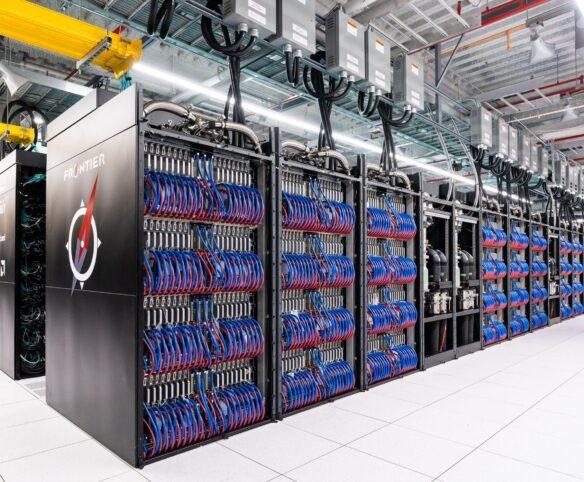
Instead of cooling entire rooms, these systems focus on precise heat removal at the source. This targeted approach enhances operational stability and lowers energy waste. It uses fluids, typically water or specialized coolants, to absorb and remove heat directly from servers and IT equipment. This allows them to capture heat more efficiently and transport it away from critical components. Datacenter liquid cooling solutions are designed to target hotspots directly, reducing temperature fluctuations across racks.
Types of Liquid Cooling Infrastructure
Direct-to-Chip Cooling
Direct-to-chip systems circulate coolant through cold plates attached to processors and GPUs. This method removes heat at the component level, making it ideal for AI and high-performance computing environments. It sets up using this approach significantly improve thermal control without major architectural changes.
Immersion Cooling
In immersion systems, servers are submerged in non-conductive coolant. Heat dissipates directly into the liquid, eliminating the need for traditional airflow management. This form of infrastructure maximizes efficiency while reducing space requirements, making it an ideal solution for high-performance data centers in Alberta, where energy efficiency and space optimization are critical.
Rear Door Heat Exchangers
Rear door heat exchangers combine liquid-based heat removal with traditional rack layouts. Warm air exits through a liquid-cooled door, capturing heat before it spreads into the room. These hybrid cooling systems allow a gradual transition from air to liquid technologies.
Contact us today to discover advanced liquid cooling solutions tailored for your high-density data center.
Key Benefits of Liquid Cooling Systems in High-Density Data Centers
1. Superior Heat Dissipation
One of the primary advantages of liquid cooling systems is their exceptional thermal conductivity. Liquids can absorb heat up to 1,000 times more effectively than air. This ensures consistent performance even in ultra-dense server racks.
Using datacenter operators prevents overheating and thermal throttling. Equipment runs at optimal speeds, improving overall productivity.
2. Improved Energy Efficiency
Traditional data centers require large fans and air circulation units that consume significant energy. Liquid-based alternatives reduce reliance on mechanical airflow. As a result, facilities adopting liquid-based data center cooling solutions often experience lower energy consumption. Reduced energy demand directly lowers operating costs and environmental impact.
3. Higher Rack Density Support
Modern workloads demand higher computing density. Air-based cooling systems struggle to handle racks exceeding 20–30 kW. Cooling datacenter environments, however, can support densities above 100 kW per rack.
This enables organizations to scale computing power without expanding physical space. High-density capability is essential for AI clusters and hyperscale facilities.
4. Reduced Noise Levels
Liquid cooling systems operate more quietly because they require fewer moving components. Lower noise levels improve working conditions for on-site technical staff, making them an excellent choice for data center facilities in Calgary, where operational comfort and performance efficiency are equally important.
5. Enhanced Sustainability
Many liquid infrastructure setups also allow waste heat recovery. Captured heat can be reused for building heating or industrial processes, supporting circular energy strategies. Advanced cooling technologies play a key role in sustainable data center operations. Reduced power usage leads to lower greenhouse gas emissions.
Services, Products, and Technology Supporting Modern Cooling
Modern providers offer comprehensive services and products designed to optimize data center cooling solutions.
These include:
- Custom-engineered cooling systems
- Monitoring and control software for real-time performance tracking
- Installation and commissioning services
- Preventive maintenance programs
- Immersion and direct-to-chip product lines
- Energy efficiency assessment and consulting
- Scalable designs for hyperscale and colocation facilities
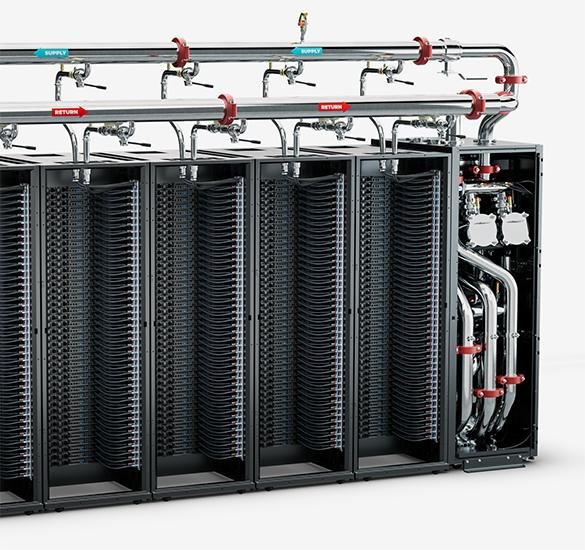
Companies like CoolIT Systems deliver innovative solutions tailored to high-density computing environments, ensuring reliability, efficiency, and scalability through cutting-edge advanced cooling technologies.
Operational Cost Advantages
Energy costs represent a substantial portion of data center operational expenses. Data center cooling solutions built on liquid technology significantly lower electricity consumption. Lower cooling demand reduces strain on power distribution units.
Additionally, fewer mechanical components mean reduced maintenance costs. Over time, the total cost of ownership decreases considerably. Investing in liquid cooling infrastructure may entail an initial capital expenditure, but long-term savings and efficiency gains outweigh the upfront costs.
Reliability and Equipment Longevity
Heat is a primary cause of hardware failure. By implementing liquid cooling datacenter strategies, facilities can maintain consistent temperature control. Stable thermal conditions extend the lifespan of processors, memory modules, and storage devices. Reduced overheating minimizes unexpected downtime, ensuring business continuity.
Modern advanced cooling technologies also provide better temperature monitoring and automated adjustments, further enhancing system reliability.
Scalability and Future-Readiness
As digital transformation accelerates, scalability becomes critical. Facilities can increase rack density without redesigning the entire airflow system. It is adaptable for next-generation processors and GPUs that generate higher heat loads. Organizations adopting liquid-based data center cooling solutions position themselves for long-term technological advancement.
Implementation Considerations
Conducting a detailed thermal analysis and consulting with cooling experts can help identify the most efficient and scalable implementation strategy. Before transitioning to datacenter liquid cooling, organizations should evaluate the compatibility of their infrastructure.
Key considerations include:
- Existing rack configurations
- Coolant distribution systems
- Leak detection and safety measures
- Integration with current monitoring tools
- Future expansion plans
Careful planning ensures smooth deployment and maximum efficiency gains.
The Role of Advanced Cooling Technologies in Modern IT
Enterprise data centers, colocation providers, and edge computing sites are also adopting technology cooling systems. These technologies improve performance while meeting sustainability goals. In growing technology hubs like Calgary, AB, organizations are turning to liquid-based cooling systems to stay ahead of rising computational demands. As global energy-efficiency regulations tighten, these solutions offer a strong competitive advantage.
Industry Applications
High-density industries benefiting from datacenter solutions include:
- Artificial Intelligence and Machine Learning
- Financial Trading Platforms
- Cloud Service Providers
- Scientific Research Centers
- Blockchain and Cryptocurrency Mining
Each of these sectors demands consistent high-performance computing with reliable thermal management.
Why Businesses Are Making the Shift
Organizations worldwide, including across Canada, recognize the limitations of traditional cooling systems. Rising power costs, limited space, and environmental concerns are driving the shift toward more efficient and sustainable cooling solutions.
By implementing innovative data center cooling solutions, businesses improve operational efficiency and strengthen sustainability commitments. Companies are helping enterprises transition toward smarter, more efficient thermal management strategies.
Conclusion
Liquid cooling systems are transforming thermal management in high-density environments. They provide unmatched heat removal efficiency and support greater rack density. Energy savings and sustainability benefits make them an attractive long-term investment. With growing computing demands, traditional cooling systems are no longer sufficient. Adopting advanced cooling technologies ensures future-ready, reliable data center operations.
FAQs
Are liquid cooling systems safe for data centers?
Yes, modern liquid cooling systems are designed with advanced leak detection and secure connections. Non-conductive coolants and sealed loops ensure safe operation and minimal risk to IT equipment.
How does datacenter liquid cooling reduce energy consumption?
It removes heat directly at the source, reducing the need for high-powered fans and large HVAC systems. This targeted approach lowers overall electricity usage and improves energy efficiency.
Can existing cooling systems for data centers be upgraded to cooling?
Yes, many facilities adopt hybrid solutions, such as rear-door heat exchangers. These allow gradual integration without completely replacing the current infrastructure.
Is liquid cooling infrastructure expensive to install?
Initial investment may be higher than traditional systems, but long-term energy savings, reduced maintenance, and improved hardware longevity make it cost-effective over time.
What industries benefit most from cooling datacenter solutions?
AI-driven industries, cloud computing providers, research institutions, and high-frequency trading platforms benefit significantly due to their high-density computing needs.


