

Top DEF Additives That Boost Diesel Engine Efficiency

Modern diesel engines are marvels of engineering, built not only for power but also for compliance. As industries push toward lower emissions and greater fuel economy, one silent performer has become increasingly vital: DEF additives.
Table of Contents
- The Hidden Chemistry Behind DEF Performance
- How DEF Additives Impact Engine Health and Fuel Efficiency
- The Influence of Blue DEF and Branded Additive Formulations
- Bulk DEF Logistics and Additive Considerations
- Crude Oil, DEF, and the New Era of Clean Diesel
- What Sets a Leading DEF Supplier Apart
- Field Examples: Where Additives Saved the Day
- FAQs
- Conclusion
Often overlooked in the broader fuel conversation, these chemical enhancers play a pivotal role in making diesel exhaust fluid more effective, protecting the Selective Catalytic Reduction (SCR) system, and extending the life of heavy-duty engines.
This guide goes beyond the basics to explore the types of DEF additives that genuinely boost diesel engine performance and how they’re shaping the evolution of clean diesel technology.
The Hidden Chemistry Behind DEF Performance
Diesel exhaust fluid (DEF) is widely known to be a simple solution of urea and deionized water. What’s less known is how micro-scale chemical reactions determine macro-level engine outcomes.
This is where DEF additives enter the equation. Unlike base formulations that just meet ISO standards, additive-enhanced DEF provides advanced capabilities such as:
- Reduced SCR clogging
- Enhanced NOx conversion rates
- Better resistance to crystallization
- Improved shelf life during long storage periods
Think of them as performance boosters—not for the engine directly, but for the systems that keep emissions in check and engines running efficiently.
How DEF Additives Impact Engine Health and Fuel Efficiency
While DEF is injected into the exhaust stream and doesn’t mix with diesel fuel, its effects are deeply tied to engine performance. When SCR systems operate at peak efficiency—thanks to quality DEF—engines burn fuel more cleanly and maintain optimized combustion cycles.
Additives play several roles here:
- Preventing Urea Degradation: Especially important in warm climates or long storage, stabilizers help preserve the chemical integrity of the fluid.
- Minimizing Injector Deposits: Anti-deposit agents reduce the chances of nozzle blockage, which can otherwise lead to derates or warning codes.
- Corrosion Protection: Additives protect DEF tanks and lines, particularly in bulk handling systems common in large fleets.
A more efficient SCR system means your engine isn’t forced to compensate for back pressure or incorrect NOx readings—both of which can reduce mileage and horsepower.

The Influence of Blue DEF and Branded Additive Formulations
Blue DEF has become a household name in fleet operations, often associated with purity and reliability. However, its impact extends beyond brand familiarity. Products like Blue DEF Platinum incorporate proprietary additives aimed at:
- Reducing system maintenance intervals
- Preventing crystallization at injector tips
- Enhancing overall DEF system reliability
What separates a commodity product from a premium solution often boils down to these hidden ingredients. Operators who use enhanced formulations frequently report lower fault codes and fewer system failures—especially in harsh or variable climates.
Bulk DEF Logistics and Additive Considerations
Handling bulk DEF requires more than just large tanks and pumps. The risk of contamination, heat exposure, and oxidation increases with volume and time. This makes additives like:
- Biocides: To prevent microbial growth in warm, stagnant tanks
- Oxidation Inhibitors: To reduce breakdown during summer or long hauls
- Anti-scaling Agents: Especially important for regions with mineral-heavy air
Working with a specialized DEF supplier who understands these logistics is key. Leading suppliers often tailor additive recommendations based on your fleet’s geography, engine model, and usage patterns.
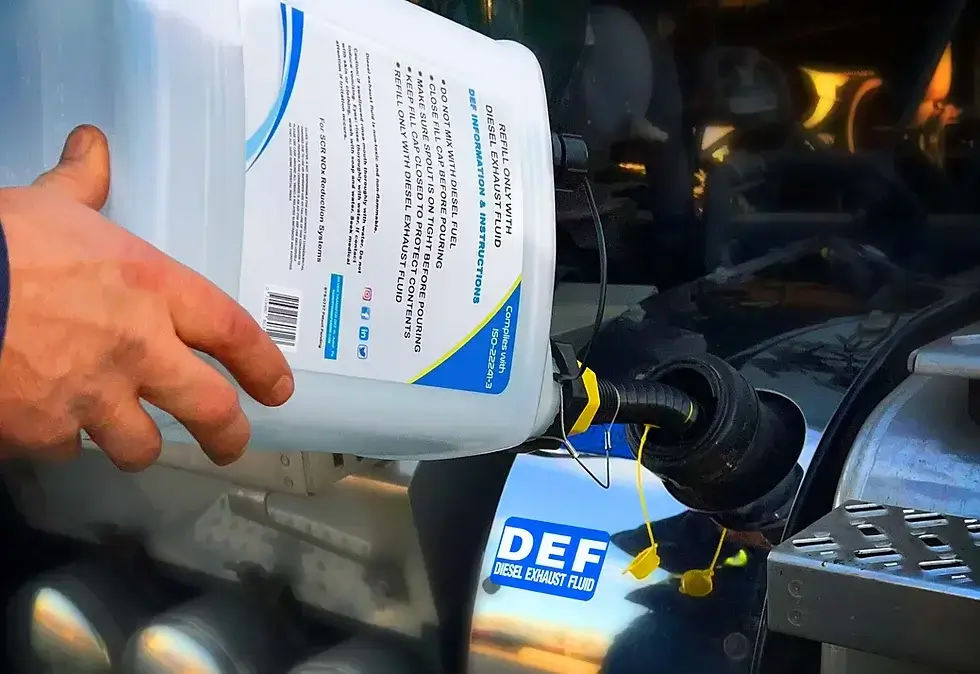
Crude Oil, DEF, and the New Era of Clean Diesel
In the past, refining crude oil efficiently was the sole focus of fuel technology. Today, the focus has shifted toward what happens after combustion—particularly in emissions control.
The rise of DEF parallels this transformation. While DEF isn’t derived from crude oil, the shift in diesel fuel regulations—such as ultra-low sulfur diesel—has made SCR systems and DEF mandatory. In this new fuel landscape, DEF additives are emerging as the next frontier in optimization.
Where once lubricants and fuel quality were the main variables,today, DEF composition plays a significant role in how engines perform and stay compliant.
What Sets a Leading DEF Supplier Apart
It’s no longer enough for a DEF company to provide a product that just meets ISO 22241. The leading DEF suppliers go further by:
- Offering full additive transparency
- Providing seasonal formulations
- Supporting on-site testing and system compatibility checks
- Educating customers about long-term DEF system maintenance
Choosing a leading def supplier that prioritizes additive-enhanced DEF can help fleets avoid the hidden costs of SCR maintenance, engine derating, and premature component failure.

Field Examples: Where Additives Saved the Day
A cross-country logistics company operating in both humid Gulf regions and cold Rocky Mountain routes faced constant SCR issues—frozen injectors in the mountains and microbial growth in Southern storage tanks.
After switching to a customized DEF blend with advanced additives, they reported:
- Longer injector service life
- Improved compliance reporting during DOT inspections
These aren’t isolated cases. Across mining, agriculture, and long-haul trucking, tailored DEF formulations are becoming key to maximizing uptime.
FAQs
Are all DEF additives safe for my SCR system?
Additives used in ISO-compliant DEF products are generally safe. However, avoid adding aftermarket chemicals yourself. Always buy pre-formulated DEF from certified suppliers.
Does Blue DEF always contain additives?
Blue DEF’s standard product meets ISO standards, but its Platinum line includes proprietary additives. Confirm with the supplier if you’re unsure which version you’re buying.
Can DEF additives reduce fuel consumption?
Indirectly, yes. By keeping the SCR system clean and functional, additives help the engine maintain optimized combustion, which can improve fuel efficiency.
Is there a difference between summer and winter DEF additives?
Yes. Some formulations include anti-crystallization agents in winter and biocides in summer. Leading suppliers may offer seasonal blends based on climate needs.
Do crude oil prices impact DEF quality?
Not directly. However, shifts in fuel formulations driven by crude oil markets can influence emissions strategies, thereby impacting how DEF and its additives are used.
Conclusion
DEF is no longer a “buy and forget” fluid. With the right DEF additives, fleet managers and operators can unlock better performance, protect their systems, and reduce overall costs. These additives can mean the difference between consistent uptime and costly service disruptions.
As emissions systems become more advanced, the quality and chemistry of your DEF will directly influence long-term engine health. Whether you’re using Blue DEF or exploring advanced blends from a specialized DEF supplier, understanding what’s in your DEF tank could be the smartest move you make for your engine this year.


